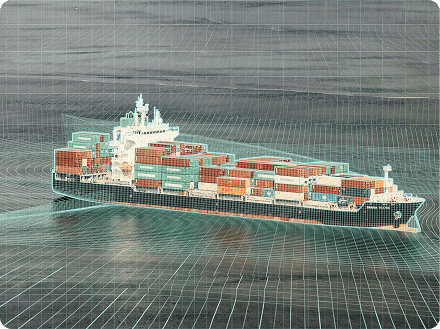
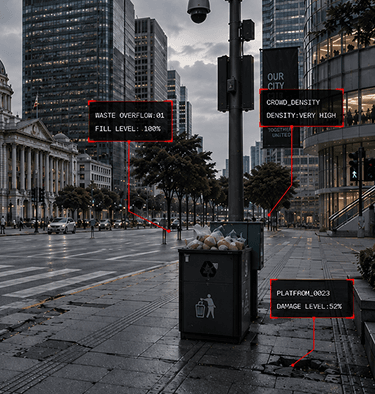
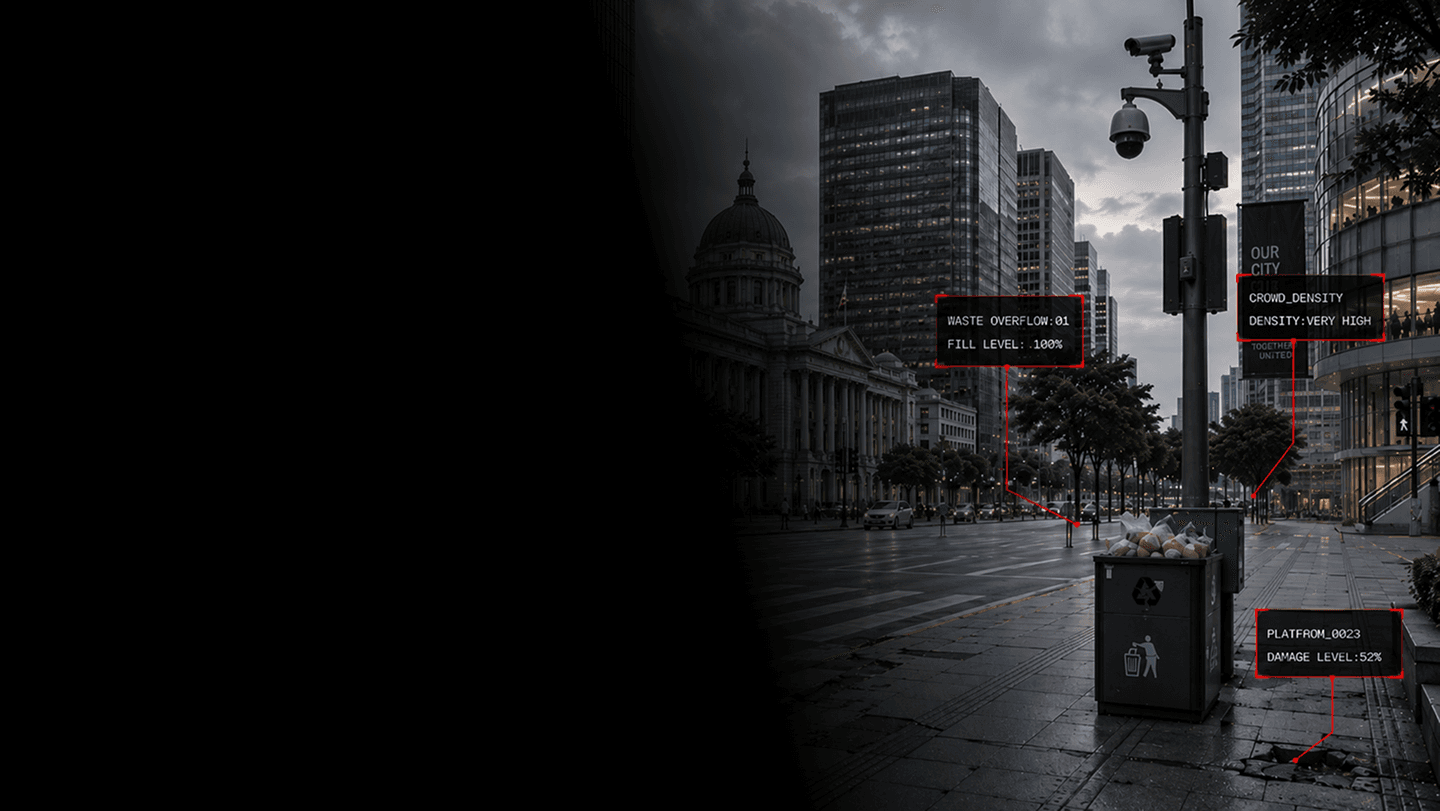
We helped a nation become the world's first UN SDG 11 compliant country.
Total inspections completed
A city's hazards don't wait for an inspector.
A city's hazards don't wait for an inspector.
Public safety has always been a coverage problem. A municipality has thousands of streets, millions of square metres, and dozens of hazard categories to monitor — and a workforce of inspectors who can physically cover maybe 10% of it. The rest is invisible until something breaks, someone gets hurt, or a complaint reaches a 311 line. CamCom closes that gap.
Public safety has always been a coverage problem. A municipality has thousands of streets, millions of square metres, and dozens of hazard categories to monitor — and a workforce.

You can't fix what you don't see.
Most cities monitor less than 10% of their public space through manual inspection.
The other 90% — the streets, footpaths, lamp posts, waste bins, manholes, and signage your inspectors don't reach this week — is invisible until a citizen files a complaint or an incident escalates.
Most cities monitor less than 10% of their public space through manual inspection.
CamCom scales surveillance coverage from ~10% to 96% — the same teams, with continuous AI visibility across every road, ward, and asset class.

311 systems aren't enough.
Citizen complaints are reactive by definition — they only fire after a hazard becomes visible enough to bother reporting.
By then, the pothole has damaged tires, the streetlight has been out for two weeks, the construction debris has been blocking a footpath for a month.
311 surfaces problems. It doesn't prevent them.
Citizen complaints are reactive by definition — they only fire after a hazard becomes visible enough to bother reporting.
CamCom turns continuous visual feeds — CCTV, dashcam, mobile, drone — into a constant stream of automatically classified, geo-tagged, severity-scored incidents.

Manual processing is slower than the city moves.
Incidents take weeks to resolve. Cases pile up in queues.
Misclassified tickets route to wrong departments.
Inspectors burn hours per image on classification work that AI can do in 60 seconds.
Operational costs balloon, fatigue compounds, and citizen confidence erodes.
Incidents take weeks to resolve. Cases pile up in queues.
Misclassified tickets route to wrong departments.
CamCom compressed case processing time from three weeks to under one week at national scale in the Kingdom of Saudi Arabia. 76% lower operational cost. 91% boost in detection efficiency.
One detection layer. Every hazard. Every street. Every shift
One detection layer. Every hazard. Every street. Every shift
Most public safety AI systems are single-purpose: one model for road defects, another for waste, a third for traffic violations. CamCom is a single visual intelligence platform that detects 43+ public safety categories — across DOT networks, city streets, civic infrastructure, sanitation systems, and beyond — on one AI World Model and one integration into the systems your departments already use.
Most public safety AI systems are single-purpose: one model for road defects, another for waste, a third for traffic violations.
Context-aware, not pattern-matching
Vigil understands spatial relationships, object co-occurrence, and topology variation — not just what a hazard looks like, but where, how, and in what context it appears.
That's why detection holds across variable lighting, weather, camera angles, and surface conditions where conventional vision systems fail.
Vigil understands spatial relationships, object co-occurrence, and topology variation — not just what a hazard looks like, but where, how, and in what context it appears.

Continuously expandable taxonomy
Cities and DOTs continuously add new public safety elements and regulatory clauses.
CamCom's platform supports continuous integration of new categories — new hazard types, new municipal codes, new compliance regimes — without re-architecture.
The same platform that started with 6 categories is now detecting 43+.
Cities and DOTs continuously add new public safety elements and regulatory clauses.
CamCom's platform supports continuous integration of new categories — new hazard types, new municipal codes, new compliance regimes — without re-architecture.

Built for sovereign deployment
Public sector AI has unique requirements: data sovereignty, on-prem deployment, regulatory compliance, full audit trails.
CamCom supports cloud and on-premises deployment per the governing land.
Complete data ownership rests with the client.
Encryption and full compliance with regional data protection regulations are built in by default.
Public sector AI has unique requirements: data sovereignty, on-prem deployment, regulatory compliance, full audit trails.
CamCom supports cloud and on-premises deployment per the governing land.
Smart City — From a citizen complaint to a city-wide system.

DOT — Aging infrastructure meets rising demand. AI bridges the gap.
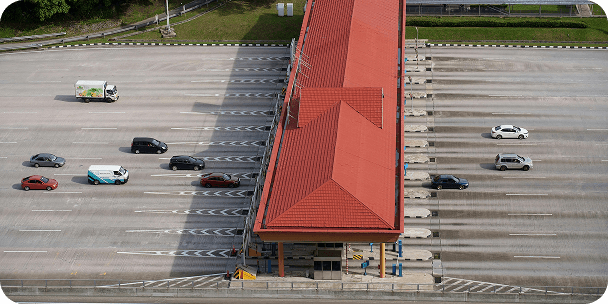
National Scale — When the deployment is the country.
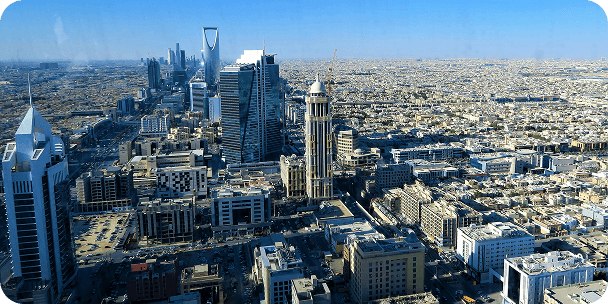
Smart City — From a citizen complaint to a city-wide system.
DOT — Aging infrastructure meets rising demand. AI bridges the gap.
National Scale — When the deployment is the country.
And every other hazard a city is responsible for.
Vigil's public safety taxonomy keeps growing — because public safety itself keeps growing. New hazard categories, new regulatory regimes, new infrastructure types, new compliance regimes. The same platform extends.Vigil's public safety taxonomy keeps growing — because public safety itself keeps growing. New hazard categories, new regulatory regimes, new infrastructure types, new compliance regimes. The same platform extends.
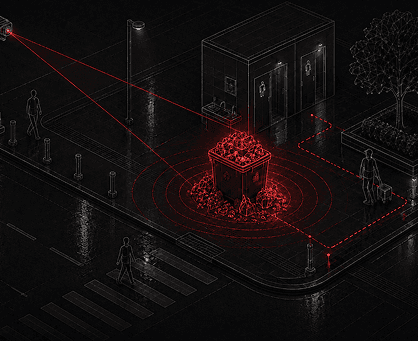
Sanitation & Hygiene
Public toilet facility monitoring, sanitation compliance, waste management audit.
Supports UN SDG sanitation targets at the operational level, not just aspirational.
Public toilet facility monitoring, sanitation compliance, waste management audit.
Supports UN SDG sanitation targets at the operational level, not just aspirational.
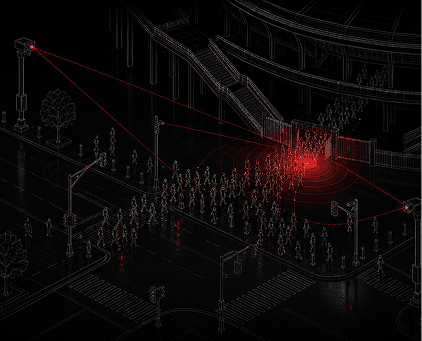
Crowd & Event Management
Crowd density tracking, footfall analysis, event-period monitoring for festivals.
Religious gatherings, sports events, and high-density urban moments.
Crowd density tracking, footfall analysis, event-period monitoring for festivals, religious gatherings, sports events, and high-density urban moments.
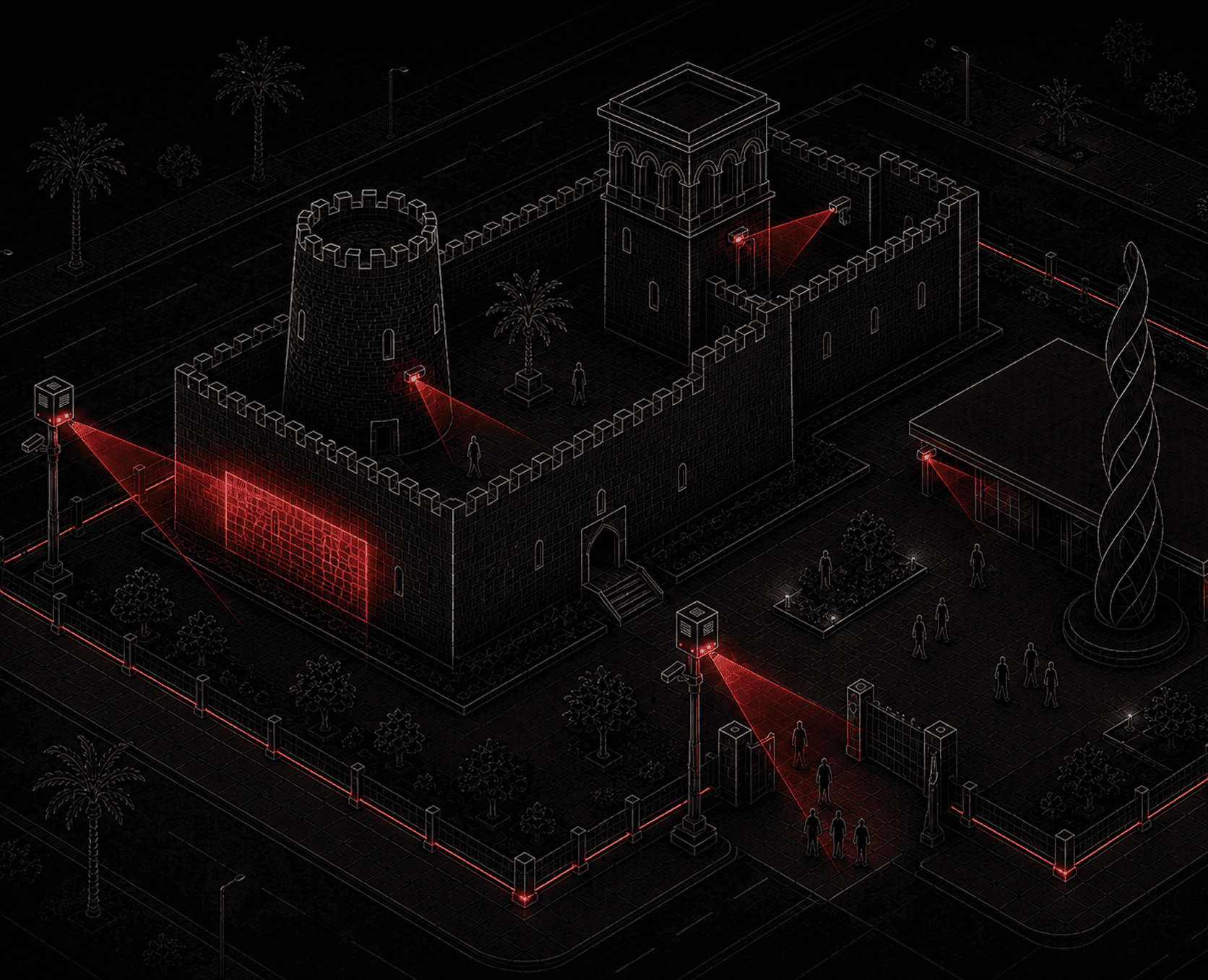
Heritage & Tourism Sites
Condition monitoring, footfall management, and visual-degradation tracking for high-value civic and cultural assets.
Protects cultural heritage.
Condition monitoring, footfall management, and visual-degradation tracking for high-value civic and cultural assets.
Protects cultural heritage.
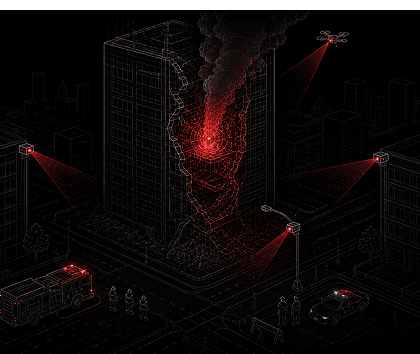
Post-Disaster Assessment
Wide-area visual damage capture after flood, storm, or earthquake.
Damage quantified across city zones for federal aid documentation and recovery prioritisation.
Wide-area visual damage capture after flood, storm, or earthquake.
Damage quantified across city zones for federal aid documentation and recovery prioritisation.
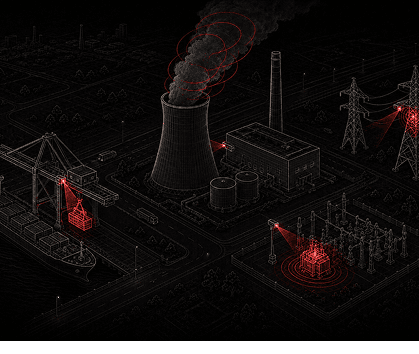
Critical Infrastructure
Covers ports, utilities, transit hubs, water, and power infrastructure.
Visual condition monitoring at the scale and frequency that critical infrastructure protection requires.
Covers ports, utilities, transit hubs, water, and power infrastructure.
Visual condition monitoring at the scale and frequency that critical infrastructure protection requires.
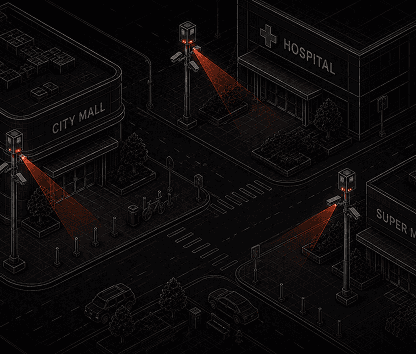
Any Newly Regulated Hazard
Adapts to new city ordinances without disrupting operations.
CI-powered architecture extends the AI World Model without application re-deployment.
As cities pass new ordinances, the platform's continuous-integration architecture allows the AI World Model to extend without re-deployment.
Sanitation & Hygiene
Public toilet facility monitoring, sanitation compliance, waste management audit.
Supports UN SDG sanitation targets at the operational level, not just aspirational.
Public toilet facility monitoring, sanitation compliance, waste management audit.
Supports UN SDG sanitation targets at the operational level, not just aspirational.
Crowd & Event Management
Crowd density tracking, footfall analysis, event-period monitoring for festivals.
Religious gatherings, sports events, and high-density urban moments.
Crowd density tracking, footfall analysis, event-period monitoring for festivals, religious gatherings, sports events, and high-density urban moments.
Heritage & Tourism Sites
Condition monitoring, footfall management, and visual-degradation tracking for high-value civic and cultural assets.
Protects cultural heritage.
Condition monitoring, footfall management, and visual-degradation tracking for high-value civic and cultural assets.
Protects cultural heritage.
Post-Disaster Assessment
Wide-area visual damage capture after flood, storm, or earthquake.
Damage quantified across city zones for federal aid documentation and recovery prioritisation.
Wide-area visual damage capture after flood, storm, or earthquake.
Damage quantified across city zones for federal aid documentation and recovery prioritisation.
Critical Infrastructure
Covers ports, utilities, transit hubs, water, and power infrastructure.
Visual condition monitoring at the scale and frequency that critical infrastructure protection requires.
Covers ports, utilities, transit hubs, water, and power infrastructure.
Visual condition monitoring at the scale and frequency that critical infrastructure protection requires.
Any Newly Regulated Hazard
Adapts to new city ordinances without disrupting operations.
CI-powered architecture extends the AI World Model without application re-deployment.
As cities pass new ordinances, the platform's continuous-integration architecture allows the AI World Model to extend without re-deployment.
“If your city's hazard list isn't on this page, that's the conversation. The platform extends to whatever your inspectors are already trying to monitor — manually, expensively, incompletely — today.”
The pipeline from camera to action.
CamCom's public safety platform is built to operate at city, regional, and national scale. Here is how a single image — captured from any source — becomes a routed, classified, evidence-backed incident in your department's queue.CamCom's public safety platform is built to operate at city, regional, and national scale. Here is how a single image — captured from any source — becomes a routed, classified.
CamCom's public safety platform is built to operate at city, regional, and national scale. Here is how a single image — captured from any source — becomes a routed, classified, evidence-backed incident in your department's queue.CamCom's public safety platform is built to operate at city, regional, and national scale. Here is how a single image — captured from any source — becomes a routed, classified.

Ingest from any source
Visual feeds ingested from CCTV networks, mobile inspector apps, dashcam fleets, drone surveys, satellite imagery, and citizen submissions.
No new hardware required.

Detect & classify
Vigil processes every image in under 60 seconds.
Detects hazards across 43+ categories.
Classifies each by subcategory and severity
Maps to the correct municipal clause.

Geo-tag & contextualise
Every detection geo-tagged on the city map. GIS-integrated to filter by business rules, jurisdictional boundaries, and historical context.
Spatial relationships and object co-occurrence factored into severity scoring.
The platform understands that a pothole in a school zone is not the same as a pothole on an industrial road.

Route to the right department
Incidents auto-assigned to the responsible department or municipality. Mobile and email alerts dispatched to relevant officers.
Dashboards aggregate to a central command centre. Historical analytics feed urban planning.
The right people receive the right information at the right time — no manual ticket routing required.
Ingest from any source
Visual feeds ingested from CCTV networks, mobile inspector apps, dashcam fleets, drone surveys, satellite imagery, and citizen submissions.
No new hardware required, the platform meets your visual data wherever it already lives.
Detect & classify
Vigil processes every image in under 60 seconds.
Detects hazards across 43+ categories.
Geo-tag & contextualise
Every detection geo-tagged on the city map.
GIS-integrated to filter by business rules, jurisdictional boundaries, and historical context.
Route to the right department
Incidents auto-assigned to the responsible department or municipality.
Mobile and email alerts dispatched to relevant officers.
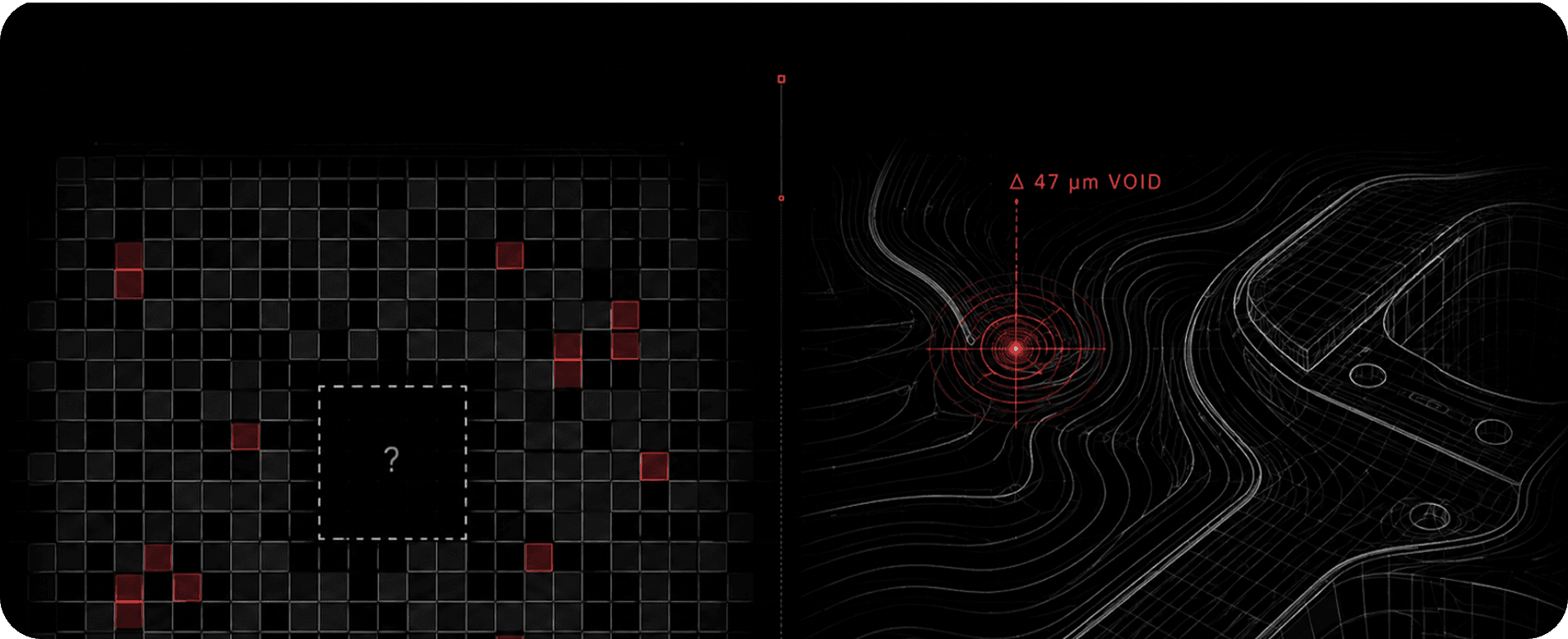
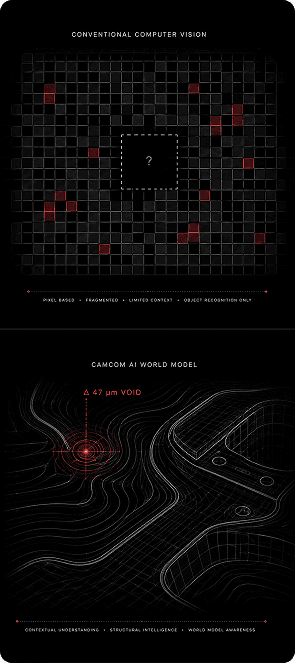
Physics over pixels.
Most AI vision systems classify what they see. CamCom’s AI World Model understands what it means — how a hazard sits in its context, how spatial relationships affect severity, how a damaged sidewalk in front of a school carries different stakes than the same damage on a service road. That contextual reasoning is why detection holds at city scale, not just on benchmark datasets.
Most AI vision systems classify what they see. CamCom’s AI World Model understands what it means — how a hazard sits in its context, how spatial relationships affect severity, how a damaged sidewalk in front of a school carries different stakes than the same damage on a service road.
Three things no public safety AI vendor can match.
Three things no public safety AI vendor can match.
Proven at sovereign scale
Most public safety AI vendors deploy at municipal or pilot scale. CamCom is operating at national scale — the Kingdom of Saudi Arabia, the world's first UN SDG 11 compliant country, runs on CamCom's platform.
120M+ inspections at national scale
30M+ incidents processed
16 municipalities
450,000 km of road
96% area coverage achieved
120M+ inspections at national scale
30M+ incidents processed
16 municipalities
450,000 km of road
96% area coverage achieved
Context-aware, not benchmark-trained
Conventional systems are trained on benchmarks and break in real-world conditions. CamCom's AI World Model understands spatial relationships, object co-occurrence, and topology variation. The model doesn't classify a pothole in isolation — it understands the neighbourhood.Conventional public safety vision systems are trained on benchmark datasets and break in real-world conditions — variable lighting, weather, angle, context.
24-billion parameter AI Model
500M+ customer images
60-second processing per image at city scale
Six Sigma-level accuracy
24-billion parameter AI Model
500M+ customer images
60-second processing per image at city scale
Six Sigma-level accuracy
Self-funding through automated enforcement
Most public sector AI is a cost centre. CamCom can be a revenue centre. Automated evidence-based incident generation enables transparent enforcement for violations — illegal dumping, zoning, parking. That changes how procurement and leadership talk about the deal.Most public sector AI is a cost centre. CamCom can be a revenue centre. Automated evidence-based incident generation enables transparent enforcement for violations — illegal dumping, zoning violations, parking infractions, public-space misuse.
SAR 1.05 Bn projected revenue
$25M increase in municipality revenues
$38M in cost savings
Transparent, evidence-based enforcement workflows
SAR 1.05 Bn projected revenue
$25M increase in municipality revenues
$38M in cost savings
Transparent, evidence-based enforcement workflows
Proof, not promises.
The Kingdom of Saudi Arabia chose to make a nation safer with AI. Here is how it worked.
FEATURED CASE STUDY
The Kingdom of Saudi Arabia
The First Nation to Achieve UN SDG 11 Compliance using AI

Challenge:
Manual monitoring couldn't scale — inspectors physically covered ~10% of public space, ticket misclassification routed cases to wrong departments, and incident resolution stretched into weeks. The Ministry needed AI-scale surveillance and a path to compliance with Saudi Vision 2030.
Solution
National-scale deployment of CamCom's AI World Model — context-aware detection, GIS-integrated geo-tagging, automated classification across 43+ categories, and real-time routing into a centralised command centre. Cloud and on-prem deployment per regional data sovereignty.
Tangible & Measurable Impact:
30M+
Incidents processed across 16 municipalities
450k
Kilometres of road covered (every 50m)
62%
Reduction in fatalities and casualties
83%
Faster incident resolution (3 weeks to <1 week)
96%
Expansion in surveillance coverage (from ~10%)
90%
Reduction in on-site inspection workforce
$38M
In operational cost savings
SAR 1.05B
Projected revenue from automated enforcement
""Our collaboration with CamCom in bringing Computer Vision as a bleeding-edge enabler has resulted in highly encouraging results. We are proud and excited to formalise our partnership with CamCom and work with their bright and committed team. We look forward to working with CamCom to extend the application of AI and CV to other high-priority topics.""
Ali Rajhi
Assistant Minister, MoMRAH — Kingdom of Saudi Arabia
Questions insurers ask.
We have strict data sovereignty requirements — can the platform be deployed entirely on-premises?
How does this integrate with our existing 311 system or municipal management platform?
We're concerned about public perception of AI surveillance — how do you handle that?
How does the platform handle hazard categories that aren't standard?
What's the deployment timeline for a city or DOT?
Can the platform actually generate revenue, or is that an outlier claim?
How does the platform align with US DOT Vision Zero and federal grant programs?
Were not a national-scale deployment — does this platform scale down?
Bring us your hardest jurisdiction.
Not ready to talk? Download the full Kingdom of Saudi Arabia case study — the deployment, the architecture, the measurable outcomes, and the Ali Rajhi testimony. No form required.
A 30-minute demo on your toughest public safety challenge — the coverage gap your inspectors can't close, the hazard category your 311 system can't catch fast enough, the infrastructure backlog you can't fund without better data. Real AI output on real city conditions. No off-the-shelf slides.